In the transition towards a circular economy, the textiles and fabrics industry plays a crucial role in reimagining waste as a valuable resource. Textiles & fabrics waste trading is at the forefront of this transformation, driving sustainability and resource efficiency across the supply chain.
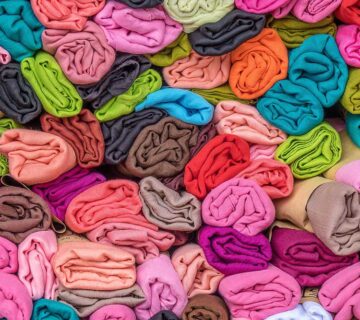
Textiles & fabrics waste trading encompasses the exchange of various waste materials, including textile scraps, fabric offcuts, production leftovers, and discarded garments. These materials are collected, sorted, and processed for recycling or repurposing into new products or raw materials.
By engaging in textiles & fabrics waste trading, businesses can achieve multiple benefits. Firstly, it helps reduce the environmental impact of textile production by diverting waste from landfills and incineration. Secondly, it conserves resources by giving discarded materials a second life, thus reducing the need for virgin materials.
Moreover, textiles & fabrics waste trading fosters innovation and creativity within the industry. Designers and manufacturers can explore new ways to incorporate recycled materials into their products, leading to the development of eco-friendly textiles, sustainable fashion lines, and innovative materials for various applications.
To fully realize the potential of textiles & fabrics waste trading, collaboration among stakeholders is essential. Governments, businesses, consumers, and waste management organizations must work together to establish supportive policies, invest in recycling infrastructure, and raise awareness about the importance of sustainable consumption and production practices.
In conclusion, textiles & fabrics waste trading is a catalyst for change in the textiles and fashion industry, driving the adoption of circular economy principles and paving the way for a more sustainable and resilient future. Through collective action and innovation, we can harness the power of waste as a valuable resource and build a circular economy that benefits both people and the planet.