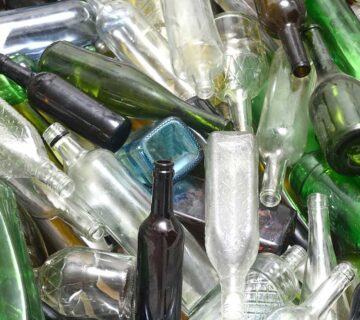

As the world strives towards a greener future, the recycling industry is playing a vital role in driving innovation and sustainability. One area of focus is glass waste trading, where businesses are finding creative ways to repurpose discarded glass materials and reduce their environmental footprint.
Glass waste trading involves the exchange of various types of glass waste, including bottles, containers, and industrial glass scraps. These materials are collected, sorted, and processed into glass cullet, which can then be used as a raw material in glass manufacturing or other applications.
By participating in glass waste trading, companies can benefit in several ways. Firstly, it helps reduce the demand for virgin materials, such as silica sand, by using recycled glass as a substitute. This conserves natural resources and reduces energy consumption and greenhouse gas emissions associated with glass production.
Secondly, glass waste trading fosters innovation in product design and manufacturing processes. Recycled glass can be transformed into new and innovative products, such as eco-friendly packaging materials, decorative items, and construction materials, contributing to a more circular economy.
Furthermore, glass waste trading creates economic opportunities by generating revenue streams from recycled materials and creating jobs in the recycling and manufacturing sectors. By investing in recycling infrastructure and technology, communities can build a sustainable economy while preserving the environment for future generations.
In conclusion, glass waste trading is a key driver of innovation and sustainability in the green economy. By recognizing the value in discarded glass materials and embracing recycling practices, businesses can contribute to a more sustainable future while unlocking economic opportunities in the circular economy.