
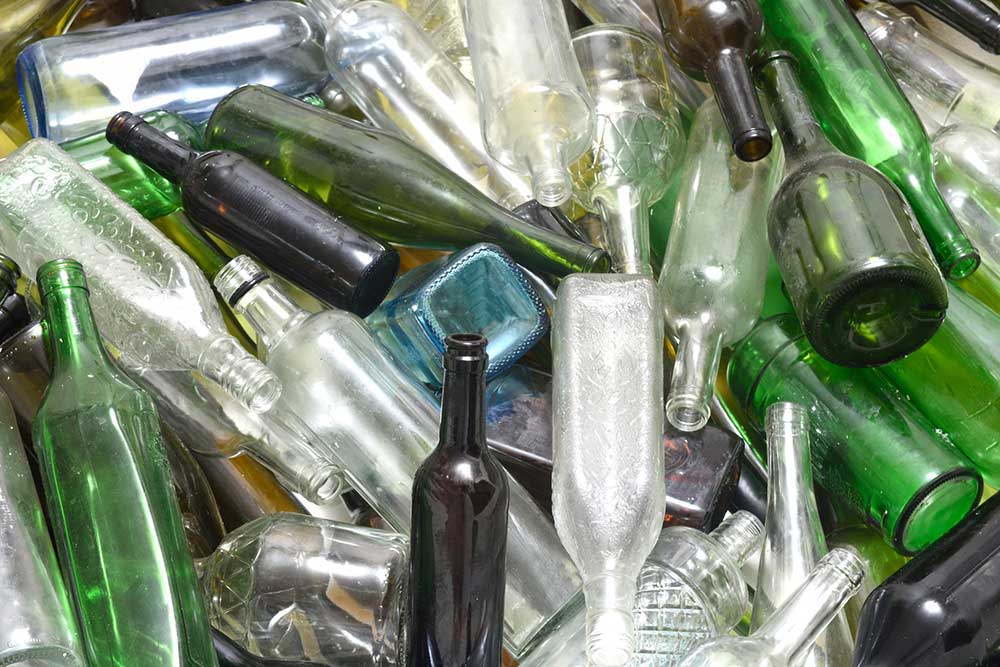
The global glass industry generates significant amounts of waste, including discarded bottles, jars, and broken glass from manufacturing processes and consumer consumption. However, rather than seeing this waste as a burden, innovative companies are turning trash into treasure through glass waste trading.
Glass waste trading involves the collection, sorting, and processing of discarded glass materials for recycling or repurposing into new products. These materials can include clear, colored, and tinted glass, as well as glass cullet from broken or defective items.
By participating in glass waste trading, businesses and recycling facilities can divert glass waste from landfills, reducing environmental pollution and conserving natural resources. Recycled glass can be melted down and used to manufacture new bottles, jars, fiberglass insulation, and a variety of other products.
Furthermore, glass waste trading promotes circular economy principles by closing the loop on glass production and consumption. Rather than extracting raw materials to make new glass, recycled glass can serve as a sustainable alternative, reducing energy consumption and greenhouse gas emissions in the manufacturing process.
Overall, glass waste trading offers a win-win solution for both environmental sustainability and economic prosperity. By recognizing the value in discarded glass materials and investing in recycling infrastructure, we can create a more sustainable future while unlocking the economic potential of glass waste.