
The global food industry has long grappled with the challenge of waste management, particularly regarding fish and meat processing. However, recent innovations have opened up new avenues for turning these wastes into valuable resources through trading mechanisms.
One such innovation involves the establishment of specialized platforms that connect producers of fish and meat wastes with entities seeking these byproducts for various purposes. These platforms facilitate transactions that not only divert waste from landfills but also create economic value for both sellers and buyers.
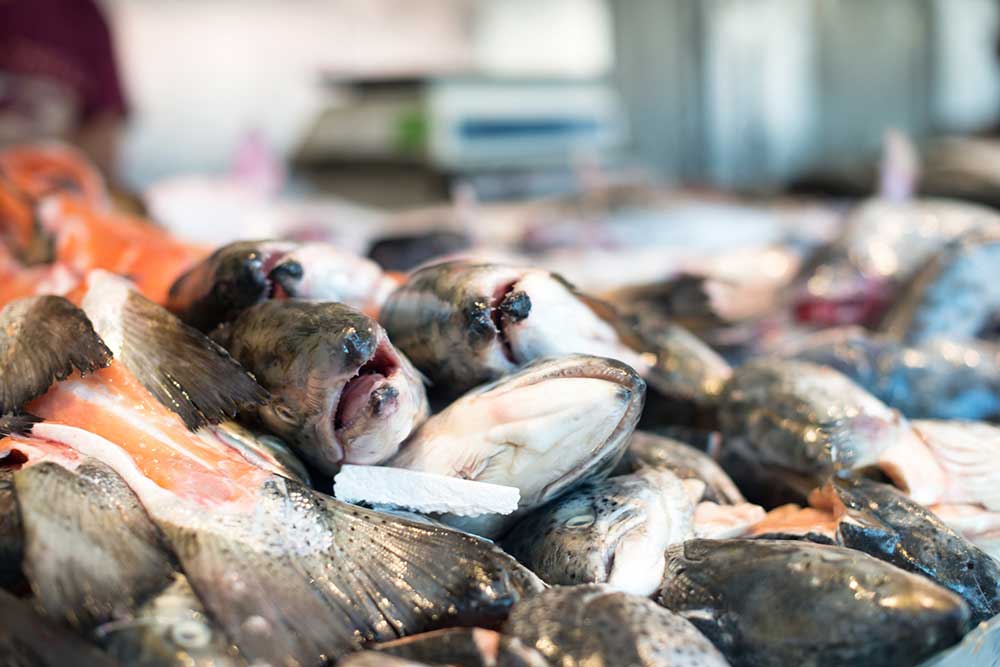
Fish waste, including heads, tails, skins, and bones, traditionally considered as low-value byproducts, can now be processed into high-protein ingredients for animal feed, pet food, and even pharmaceuticals. Similarly, meat processing wastes such as trimmings, fat, and bones can be transformed into valuable commodities like gelatin, collagen, and biofuels.
Trading in fish and meat wastes offers several benefits beyond economic gains. By reducing waste sent to landfills, it helps mitigate environmental pollution and greenhouse gas emissions associated with organic decomposition. Furthermore, it promotes circular economy principles by closing the loop on resource utilization within the food production chain.
However, challenges remain, including logistical issues, regulatory compliance, and consumer perception. Ensuring the quality and safety of recycled products is paramount to gaining consumer trust and regulatory approval. Additionally, infrastructure investments may be necessary to support efficient collection, processing, and distribution networks for these wastes.
Overall, the trading of fish and meat wastes represents a promising solution to the dual challenges of waste management and resource scarcity in the food industry. With continued innovation and collaboration across sectors, it has the potential to unlock significant economic and environmental value while contributing to a more sustainable future.